Editorial Illustrations for Addvent - 9 Beers Styles
Year: 2025
Client: Addvent
Category: Editorial Illustration
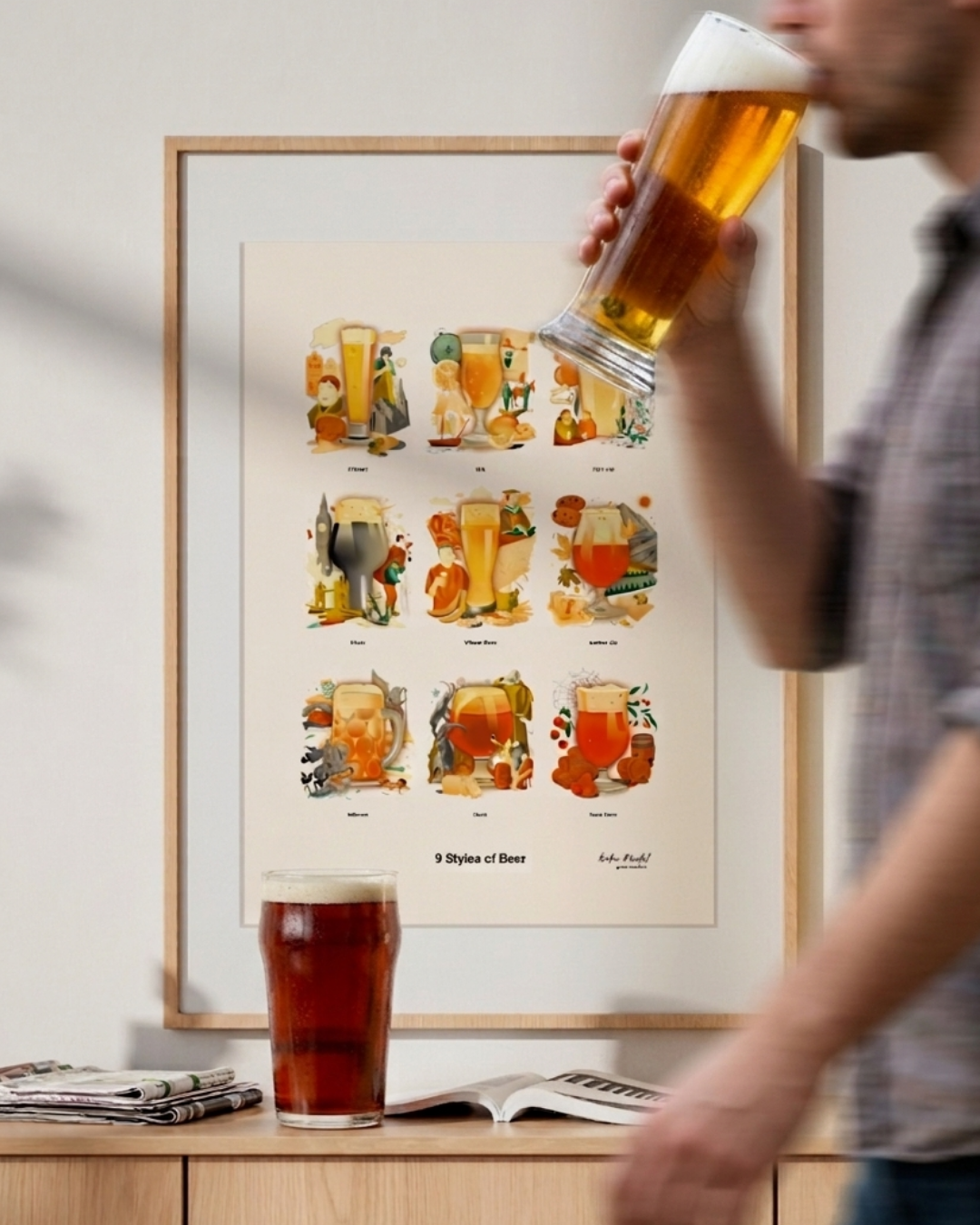
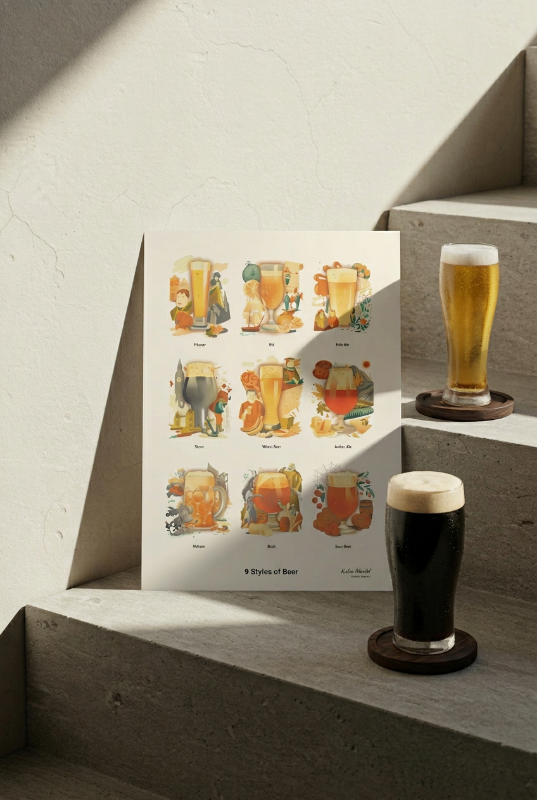
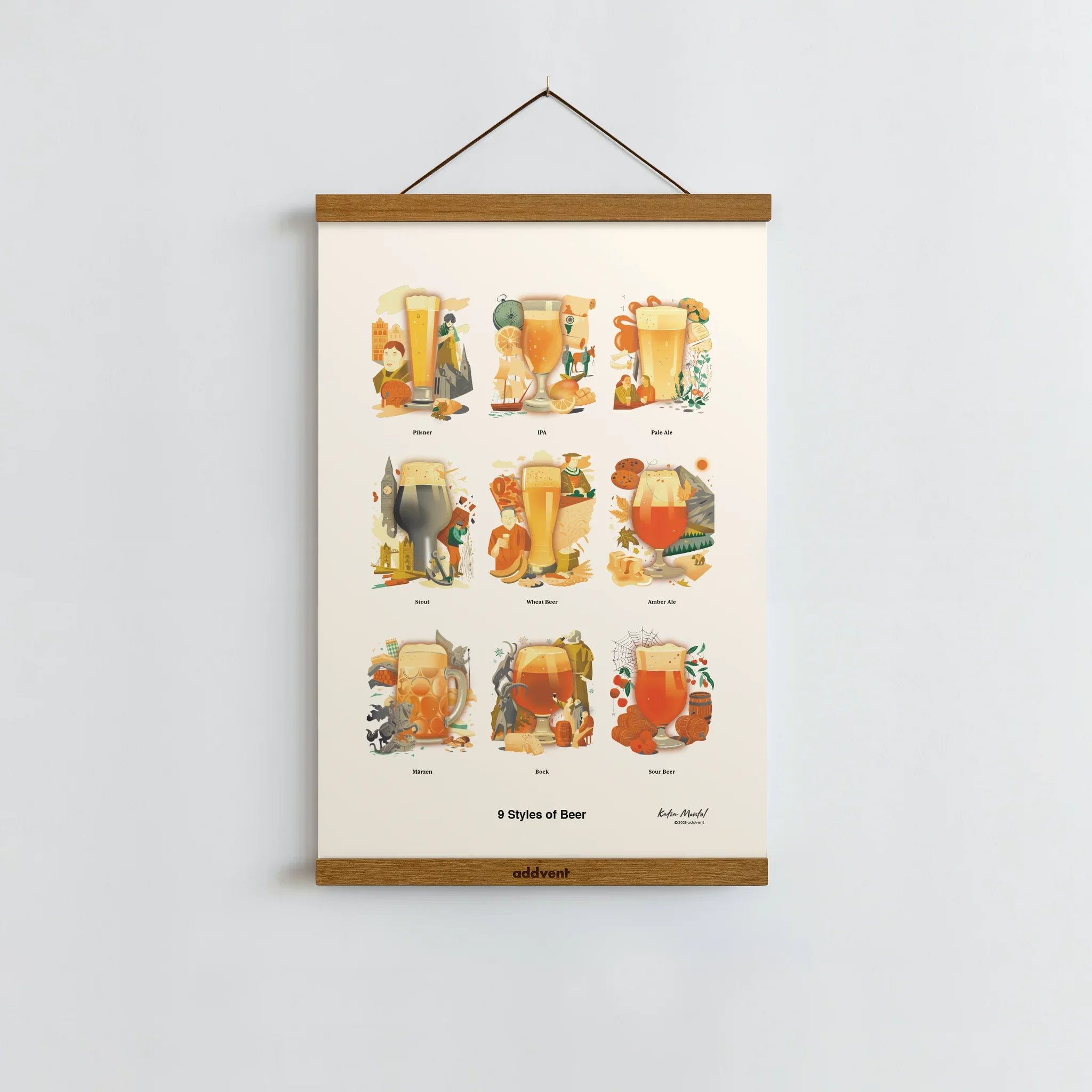
A sensory journey through nine beer styles that illuminate the richness and complexity of global brewing traditions. Each illustration transcends mere iconography to become a cultural artifact—a visual narrative woven with historical insight, geographic specificity, and the essence of human ingenuity.
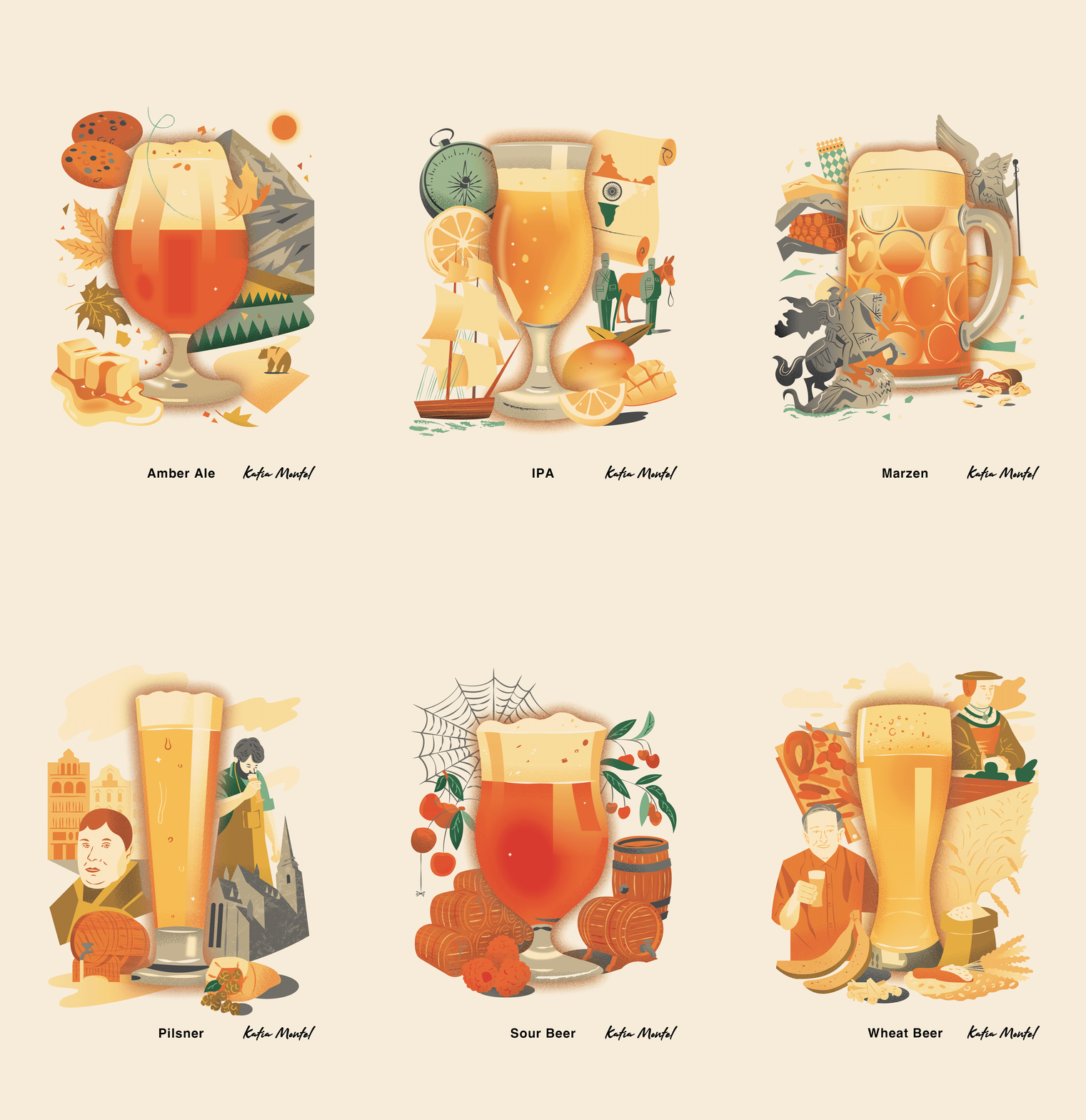
From monastic discipline to maritime adventure, from aristocratic privilege to democratic craft revolution, these nine styles represent watershed moments in brewing history. The exploration began not with aesthetics, but with deep historical investigation: tracing the origins of the Pilsner back to a crisis in 1842 Bohemia, understanding how monks sustained themselves through winter with Bock, discovering how the British Navy's need to preserve beer across oceans birthed the IPA. This archaeological approach to design ensured that every visual detail—the spiderwebs in the Sour Beer, the ice harvested from Alpine rivers for Märzen, the noble Saaz hop of Pilsen, the aristocratic garments of Bavarian Wheat Beer tradition—carries authentic weight and storytelling purpose.
Each illustration is a window into terroir, tradition, and the territories that shaped these beers. The result is a collection where roasted notes evoke London's dock workers, where tropical aromatics whisper of 19th-century trade routes, where seasonal production schedules honor saints' feast days, and where a single hop variety can define an entire style's character. Each glass a vessel of geography, history, and human creativity distilled into flavor.
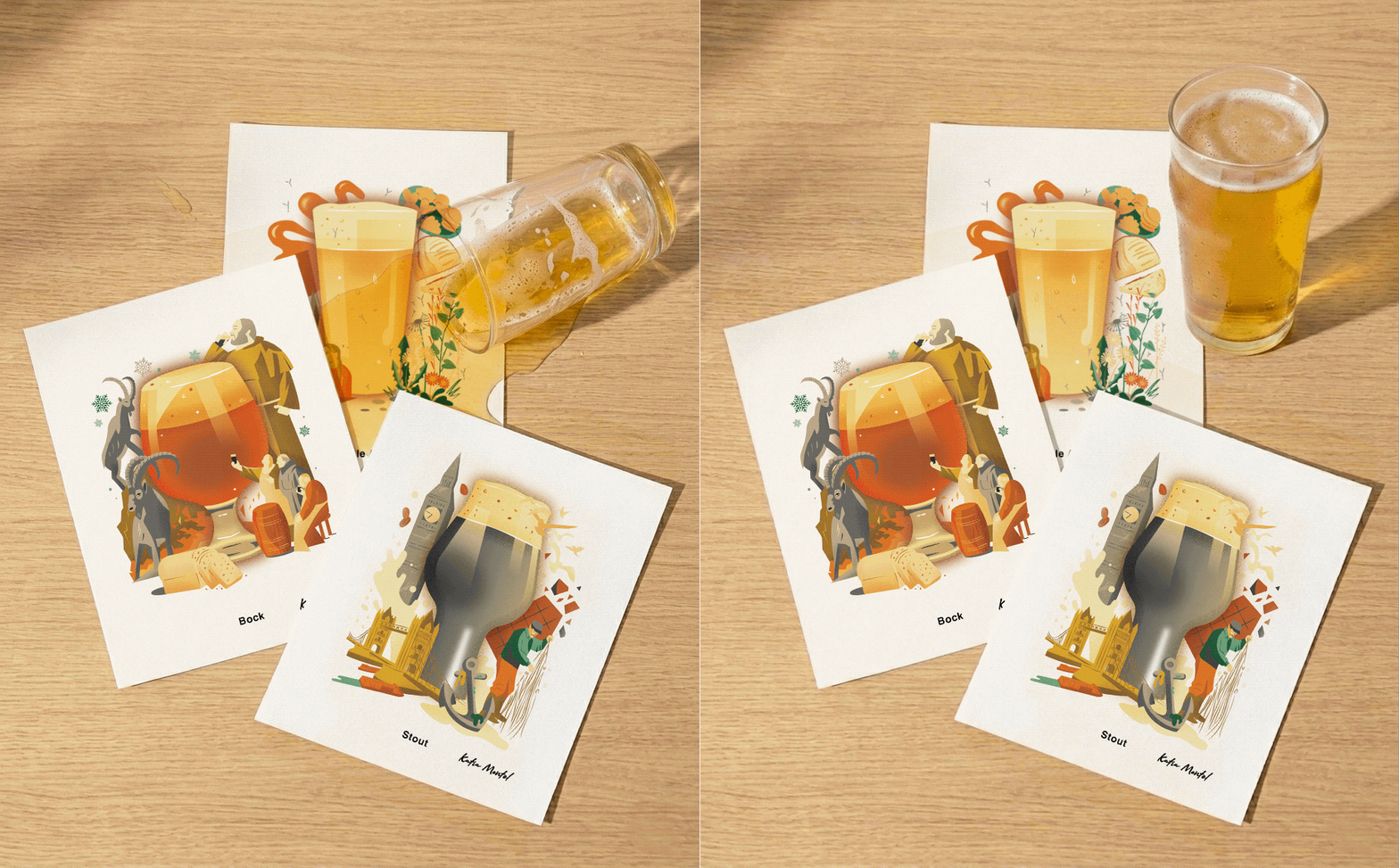
Bock
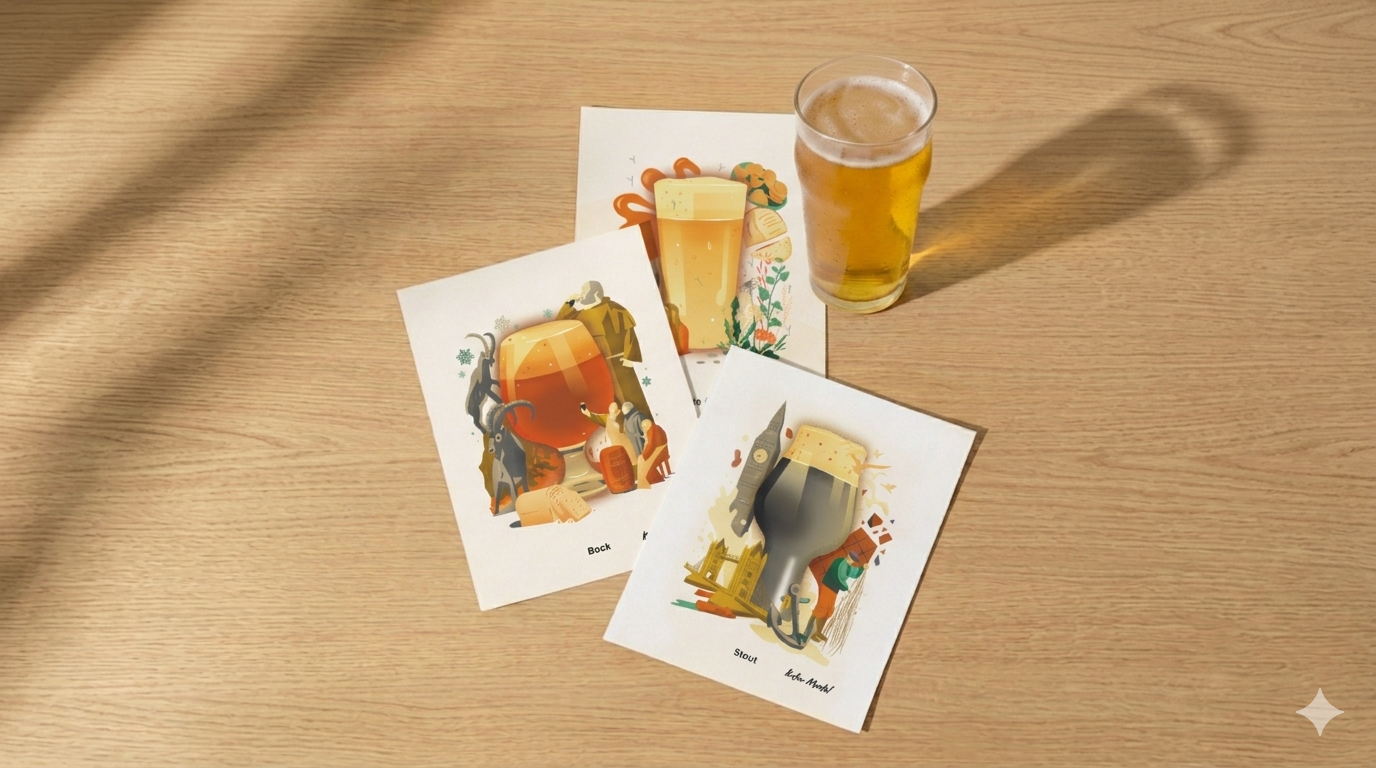
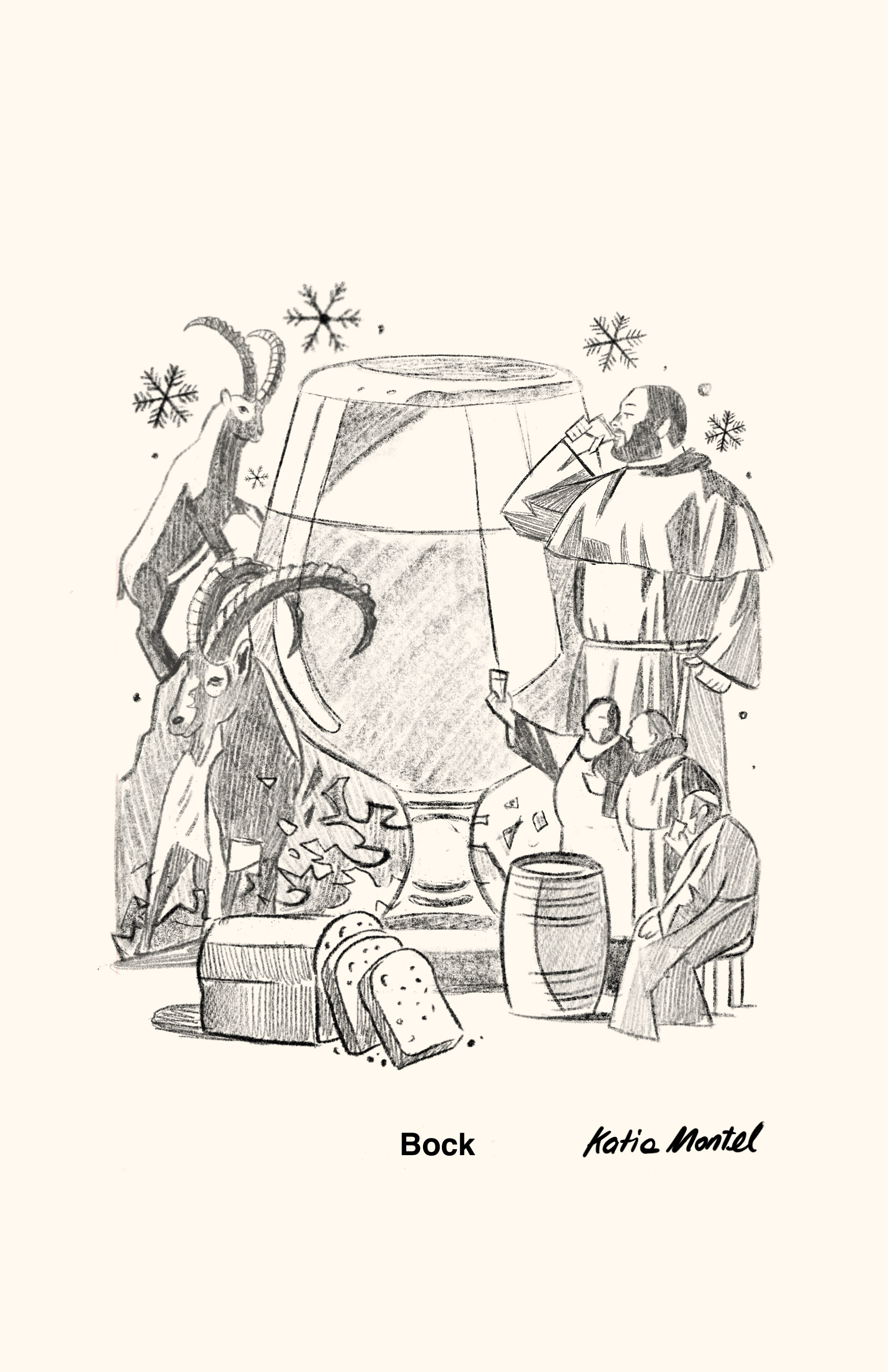
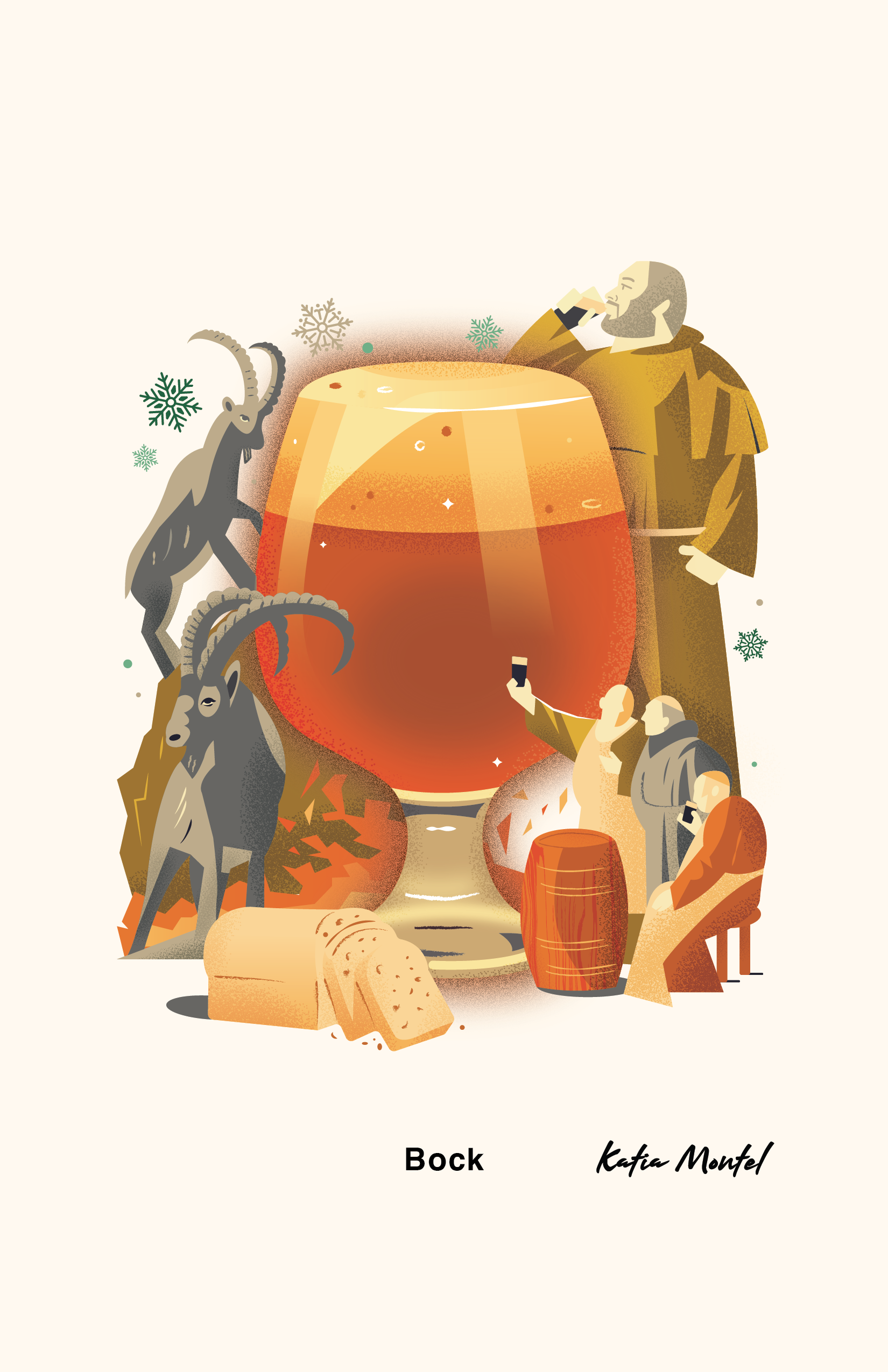
Bock, named after the German word for "goat," represents one of Europe's most storied brewing traditions. Originally crafted by monks as a sustaining beverage during harsh winter months, this style evolved into a rich, carbohydrate-dense beer that echoes the crust of freshly baked bread. The distinctive warmth lingering on the palate signals the presence of robust malt character—a flame-like intensity that defines this powerful lager. With its hearty body and deep complexity, Bock embodies both monastic heritage and thermal comfort, making it the quintessential cold-weather companion.
Märzen
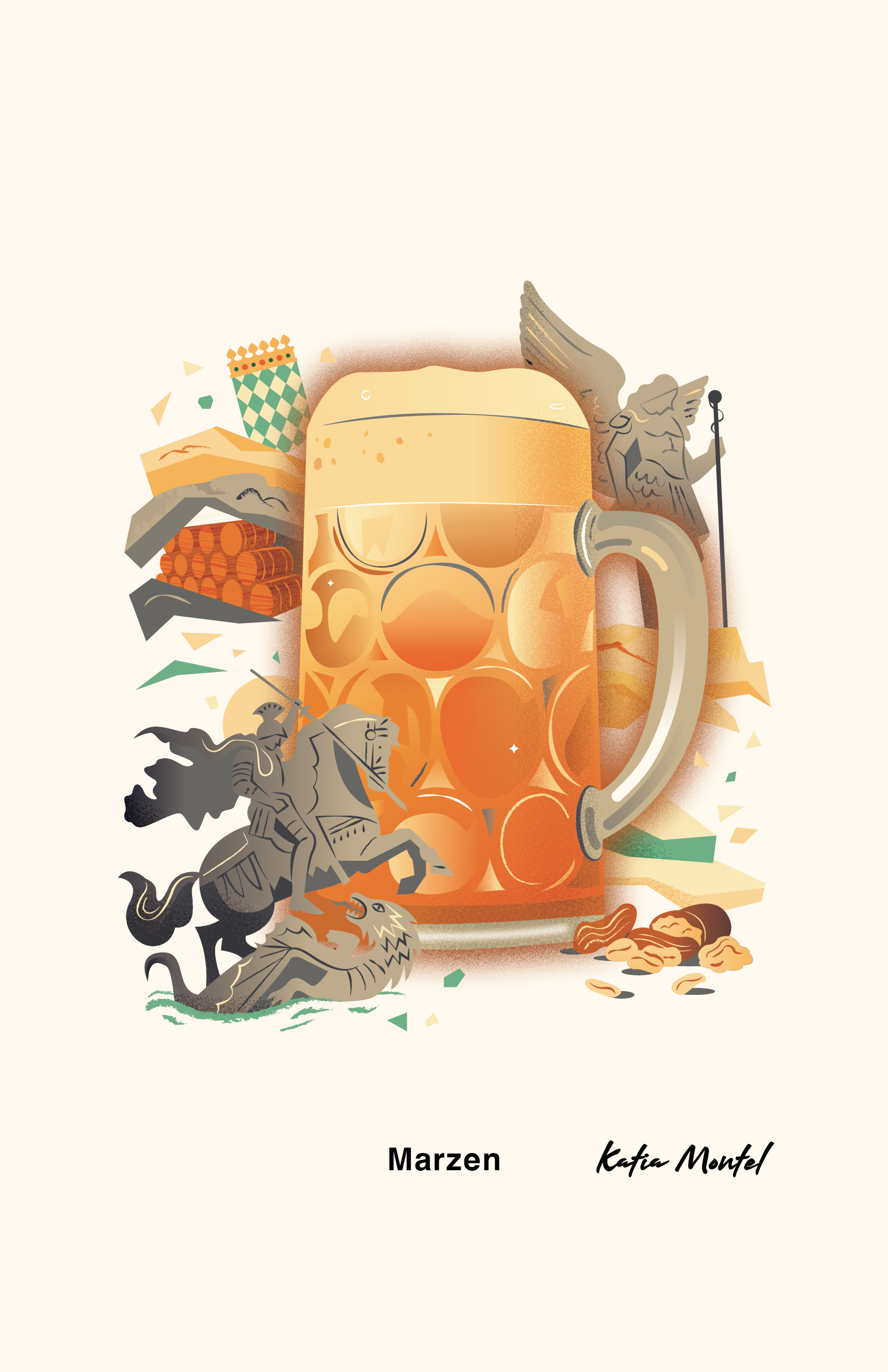
Märzen represents the quintessential seasonal beer, brewed between September 29th—the feast of Saint Michael—and April 23rd, honoring Saint George. This carefully timed production schedule respected ancient brewing wisdom: the beer was aged in cool caves where natural ice harvested from rivers and lakes served as refrigeration. The resulting lager develops a sophisticated aroma that evokes notes of dried fruit, honey, and subtle spice. Märzen embodies the marriage of tradition and practical ingenuity, a beer born from necessity that became celebrated as a symbol of autumn festivals and cultural heritage throughout Bavaria and beyond.

Pale Ale
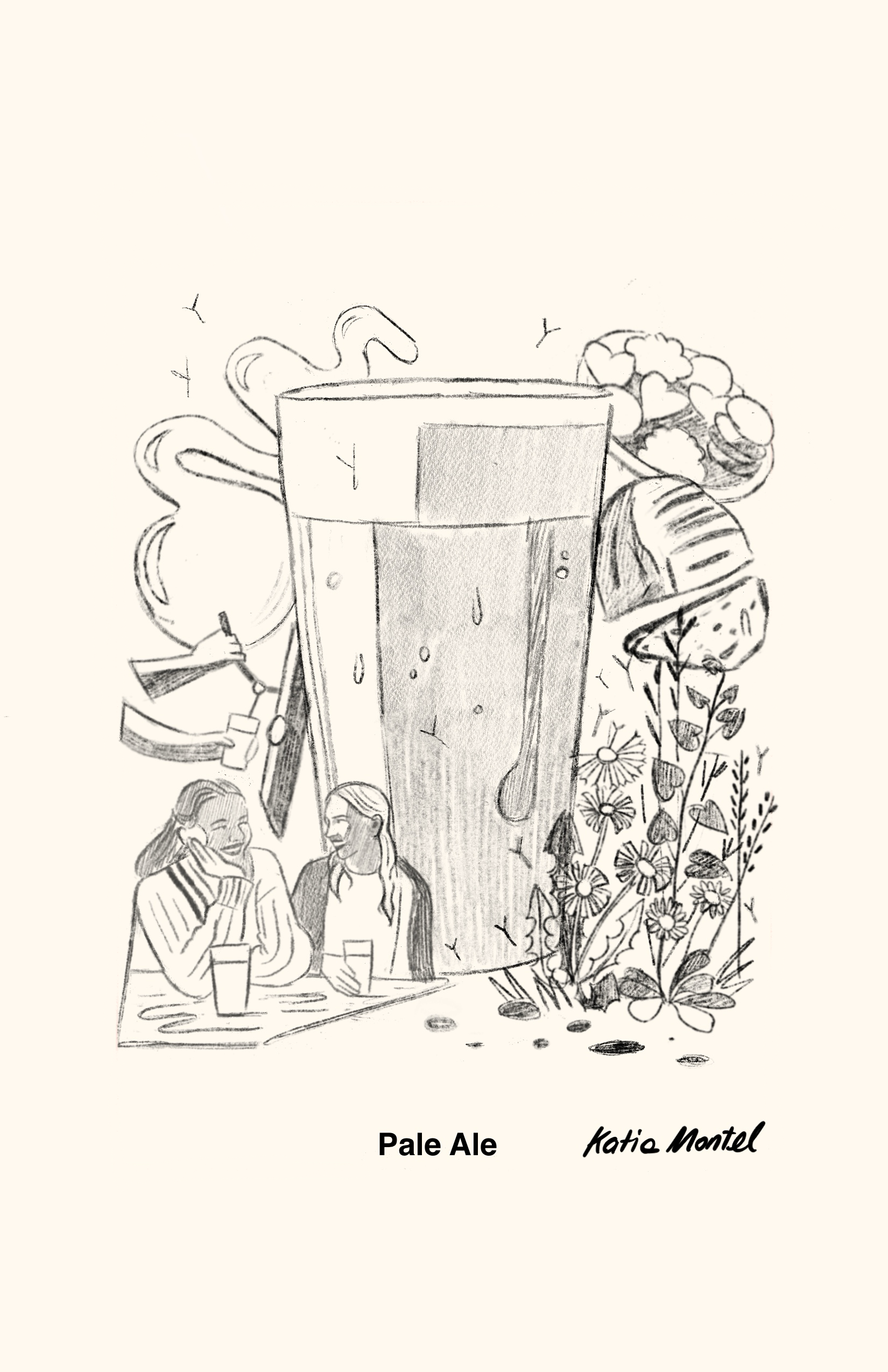
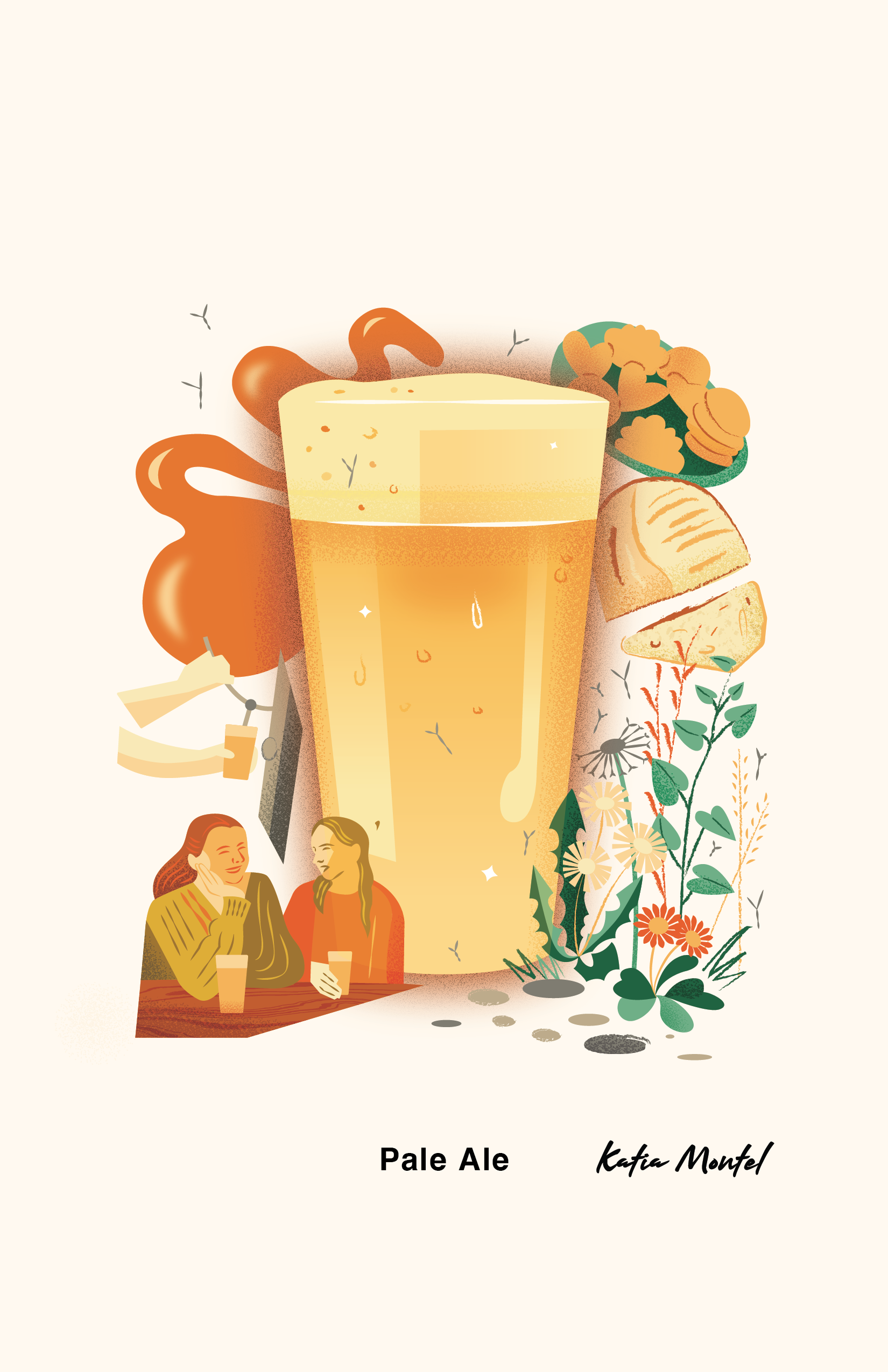
Pale Ale stands as the classic pub beer, the democratic choice dispensed from taps in countless establishments across the English-speaking world. This quintessential draft beer balances herbaceous hop character with subtle malt sweetness, offering flavors reminiscent of bread, biscuits, and gentle caramel notes. The Pale Ale's enduring appeal lies in its accessibility and harmony—neither aggressively assertive nor timidly restrained, but rather a perfectly calibrated introduction to hops and malt complexity. It represents the backbone of casual beer culture, the reliable companion to conversation, laughter, and community gatherings.
Sour Beer
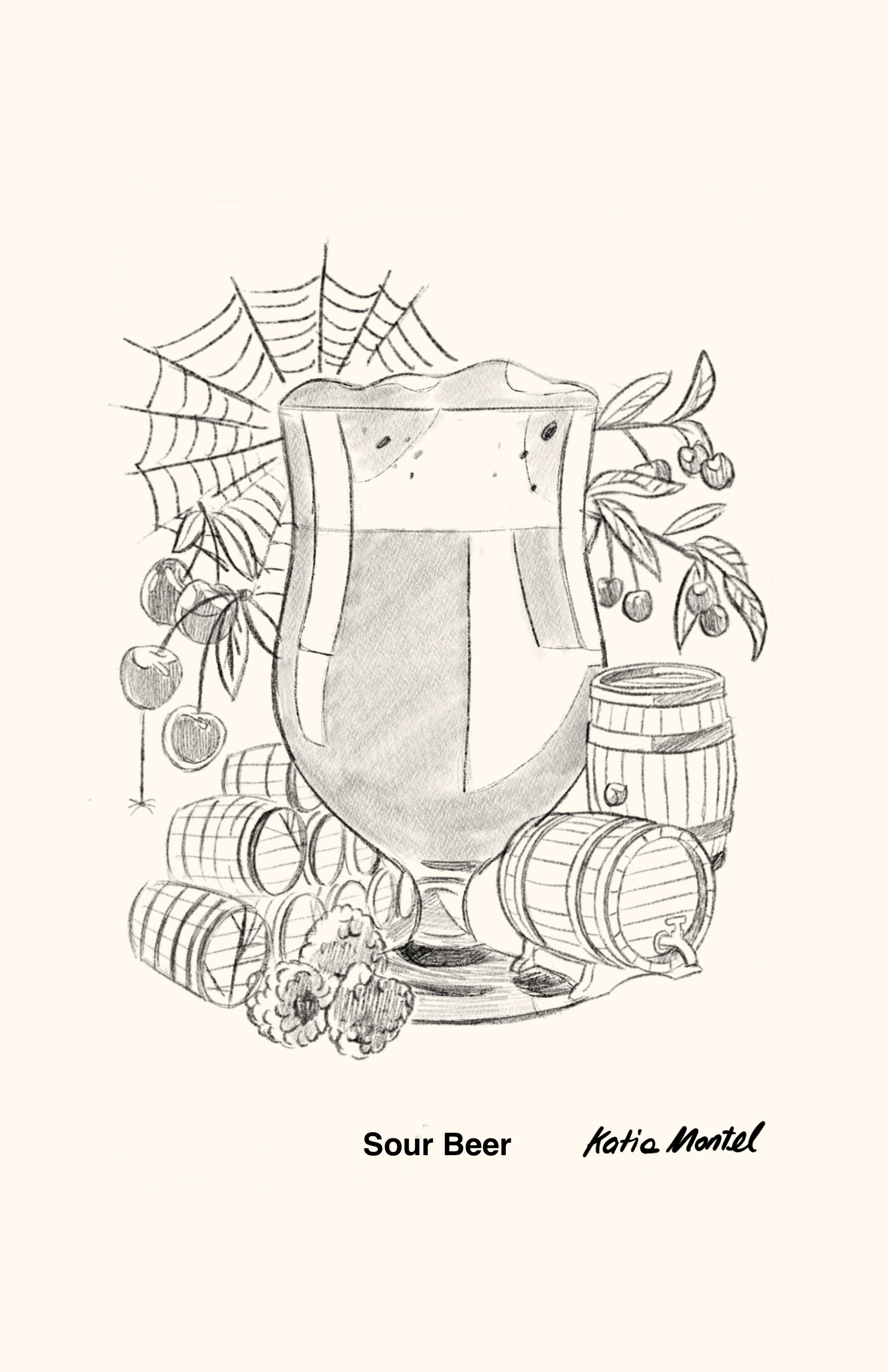
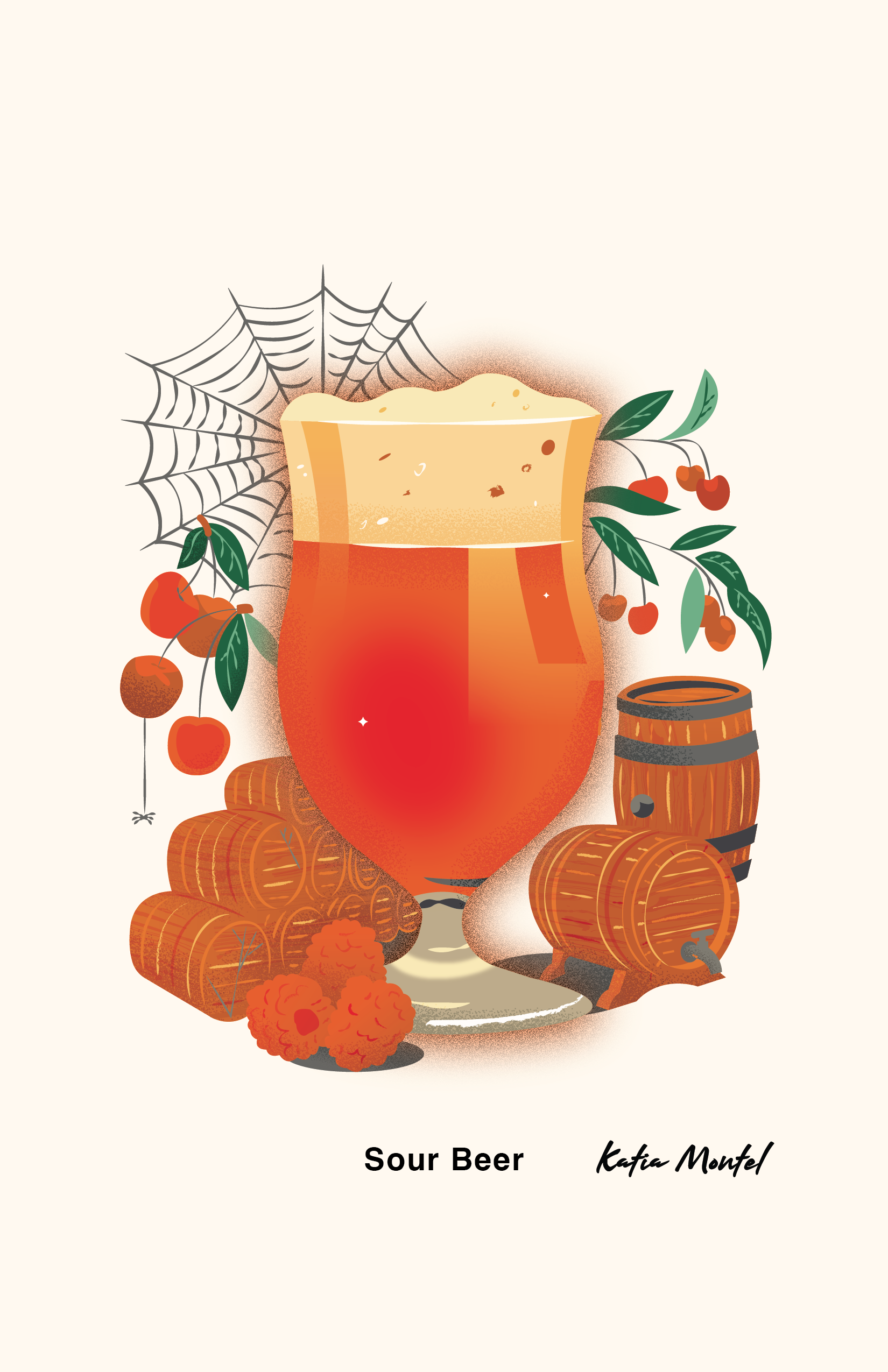
Sour beer emerges from one of brewing's most delicate processes: the deliberate cultivation of wild yeast and bacterial contamination. These living microorganisms—much like the intricate networks of spiderwebs adorning ancient breweries—weave themselves into the beer's very essence, creating complex acidic profiles. Often aromatized with cherries and raspberries, sour beers represent a harmonious balance between controlled chaos and artistic intention. They celebrate imperfection as a gateway to extraordinary flavor, transforming what might be considered a brewing accident into a sophisticated, sought-after experience.
Amber Ale
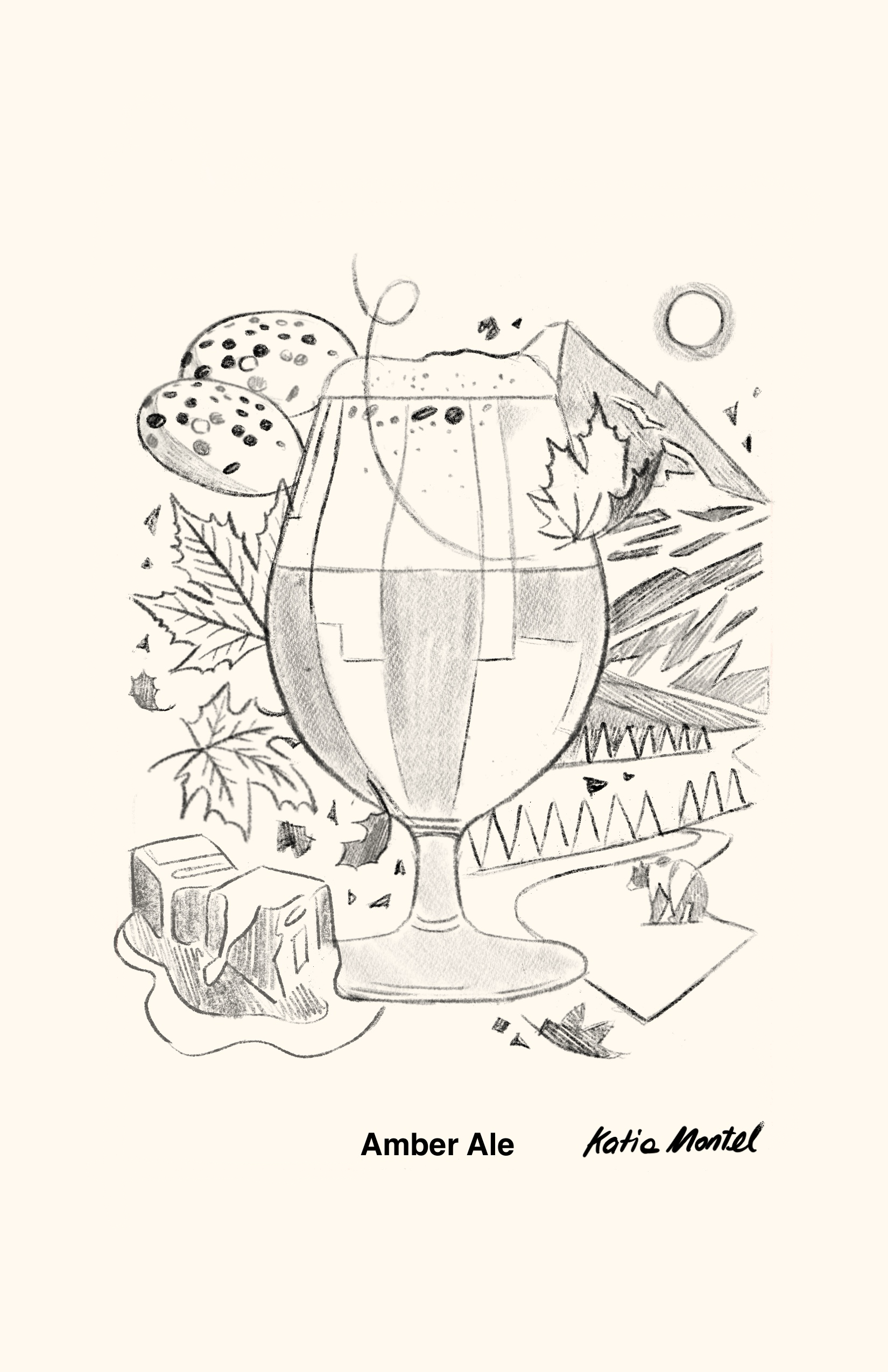
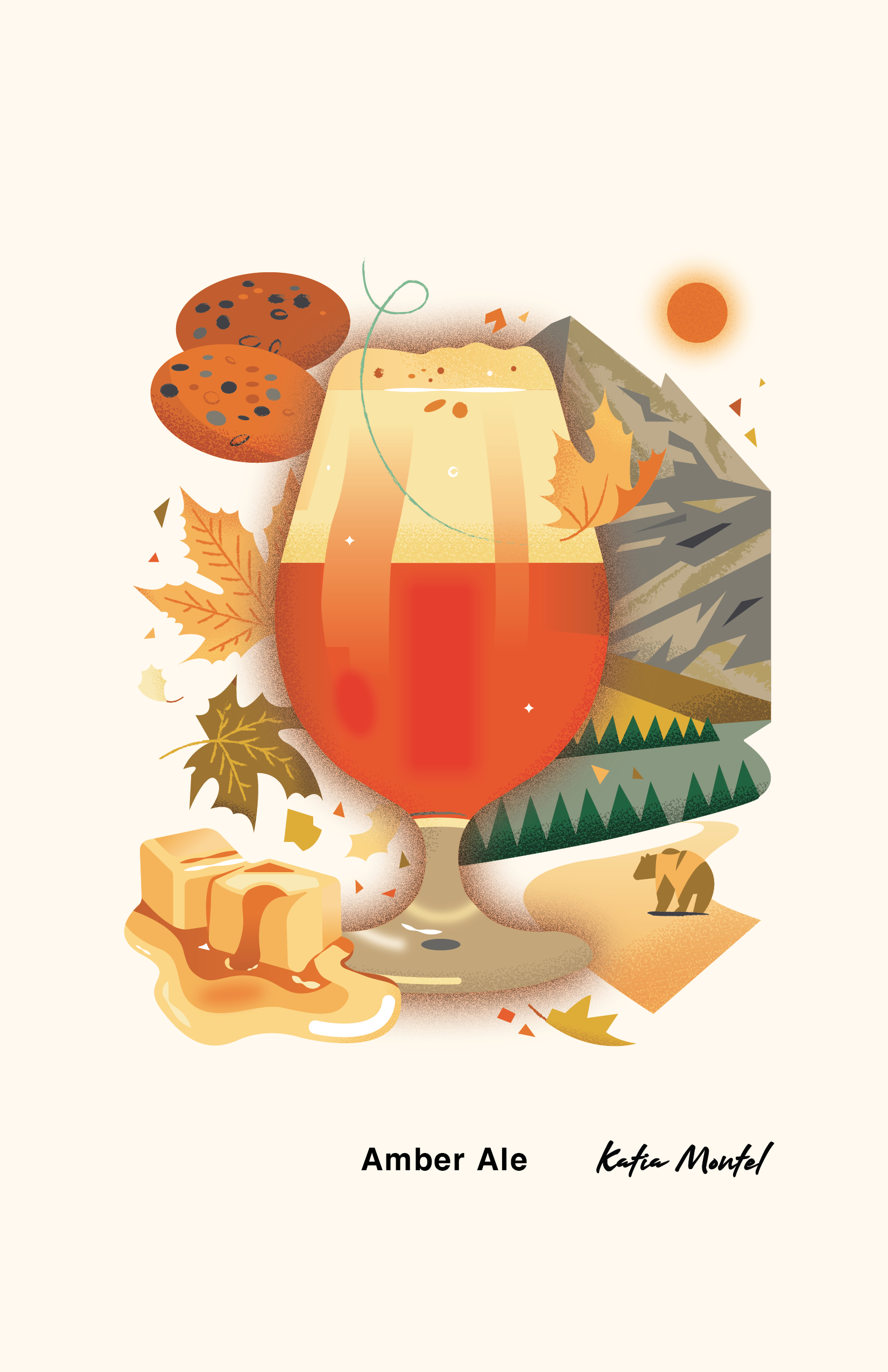
The American Amber Ale emerged during the craft revolution of the 1980s and 1990s, representing a distinctly New World approach to brewing. More intense and assertively hopped than its predecessors, this style showcases a captivating interplay of caramel, biscuit, and citrus or resinous notes derived from characteristically American hops. The connection to America's vast natural landscape—its sprawling parks and untamed wilderness—is reflected in the beer's bold, adventurous profile. This ale embodies the spirit of exploration and innovation that defines the American craft beer movement.
IPA
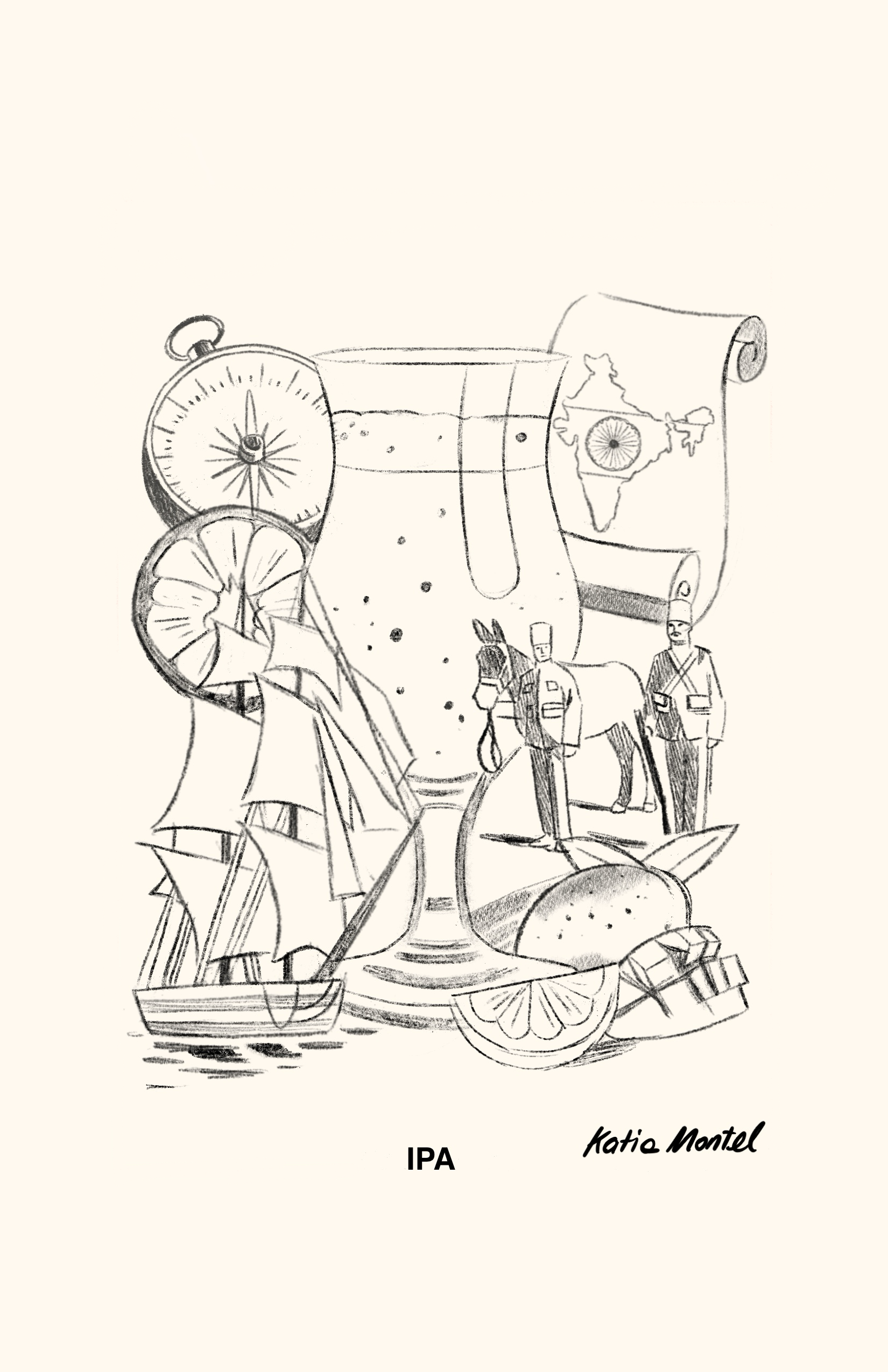
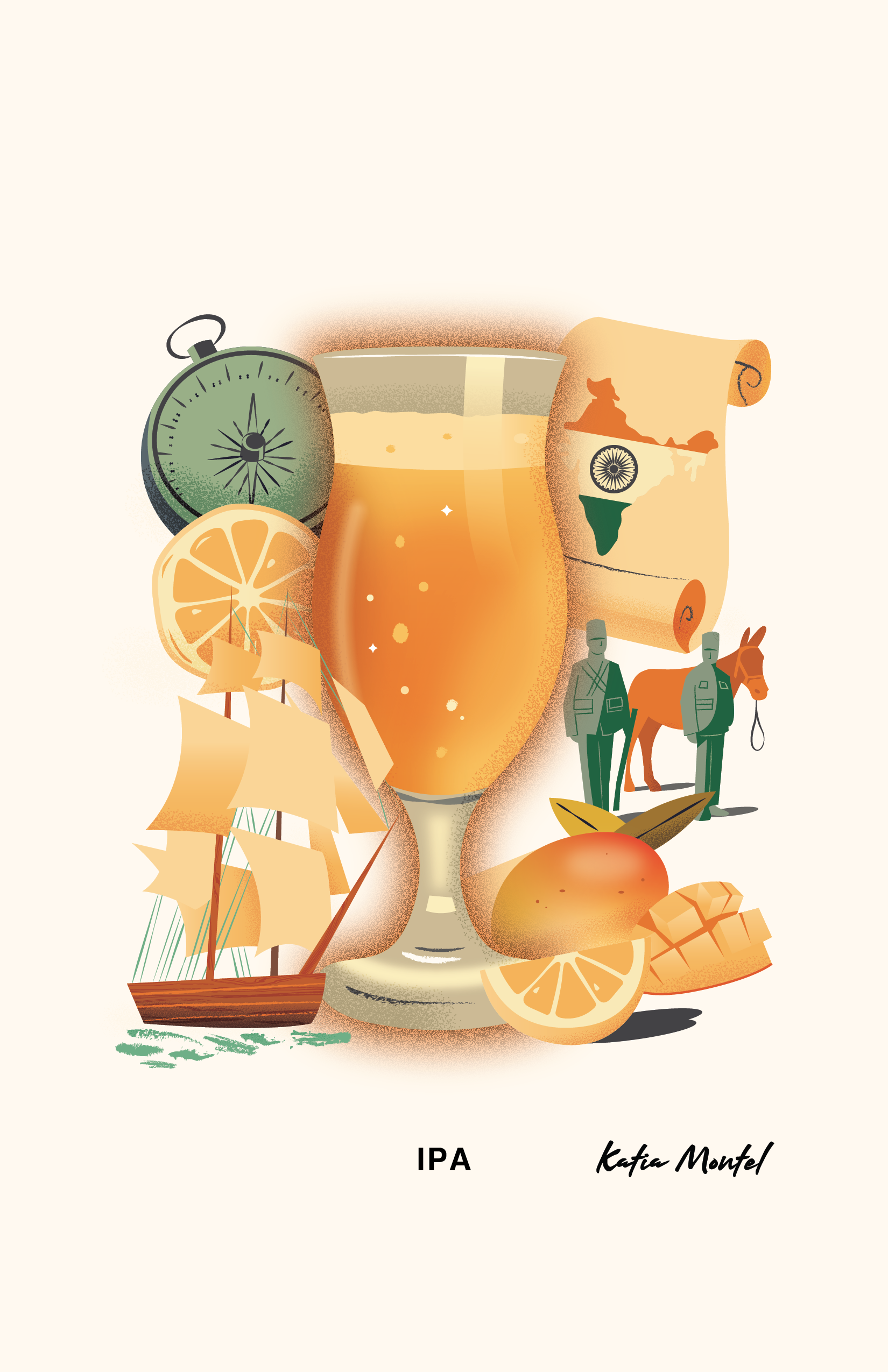
The IPA stands as brewing's ultimate testament to resilience and resourcefulness. Originally formulated to withstand the lengthy journey by ship to India, this beer surpasses its cousin the Pale Ale in strength and hop intensity. Its aromatic profile blooms with tropical fruit notes—particularly mango and citrus—alongside the characteristic bitterness that secured its survival across vast oceans. The IPA represents more than a beer; it is a vessel of history, carrying within it tales of trade routes, maritime adventure, and the ingenious problem-solving of brewers centuries past.
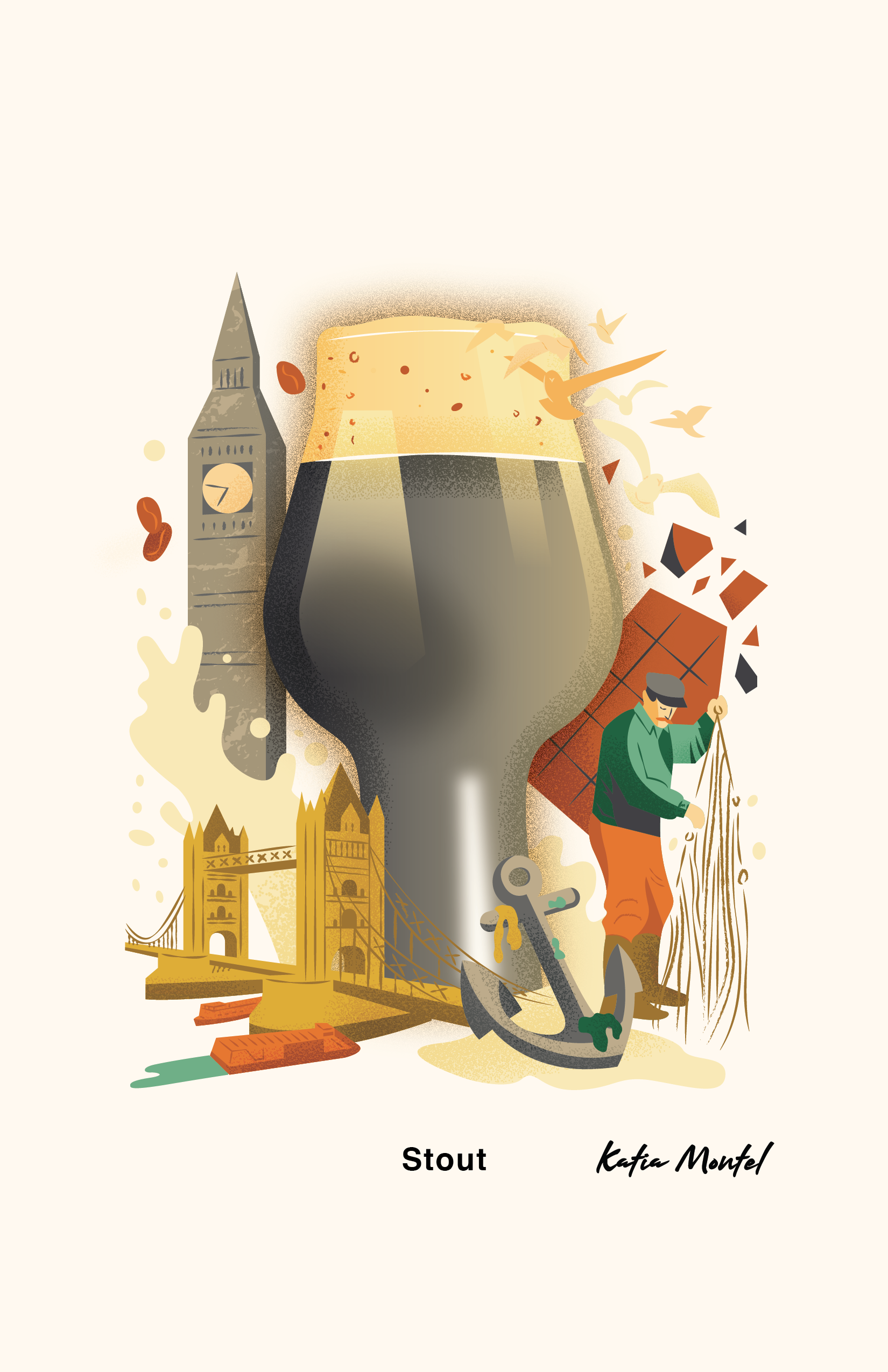
Stout
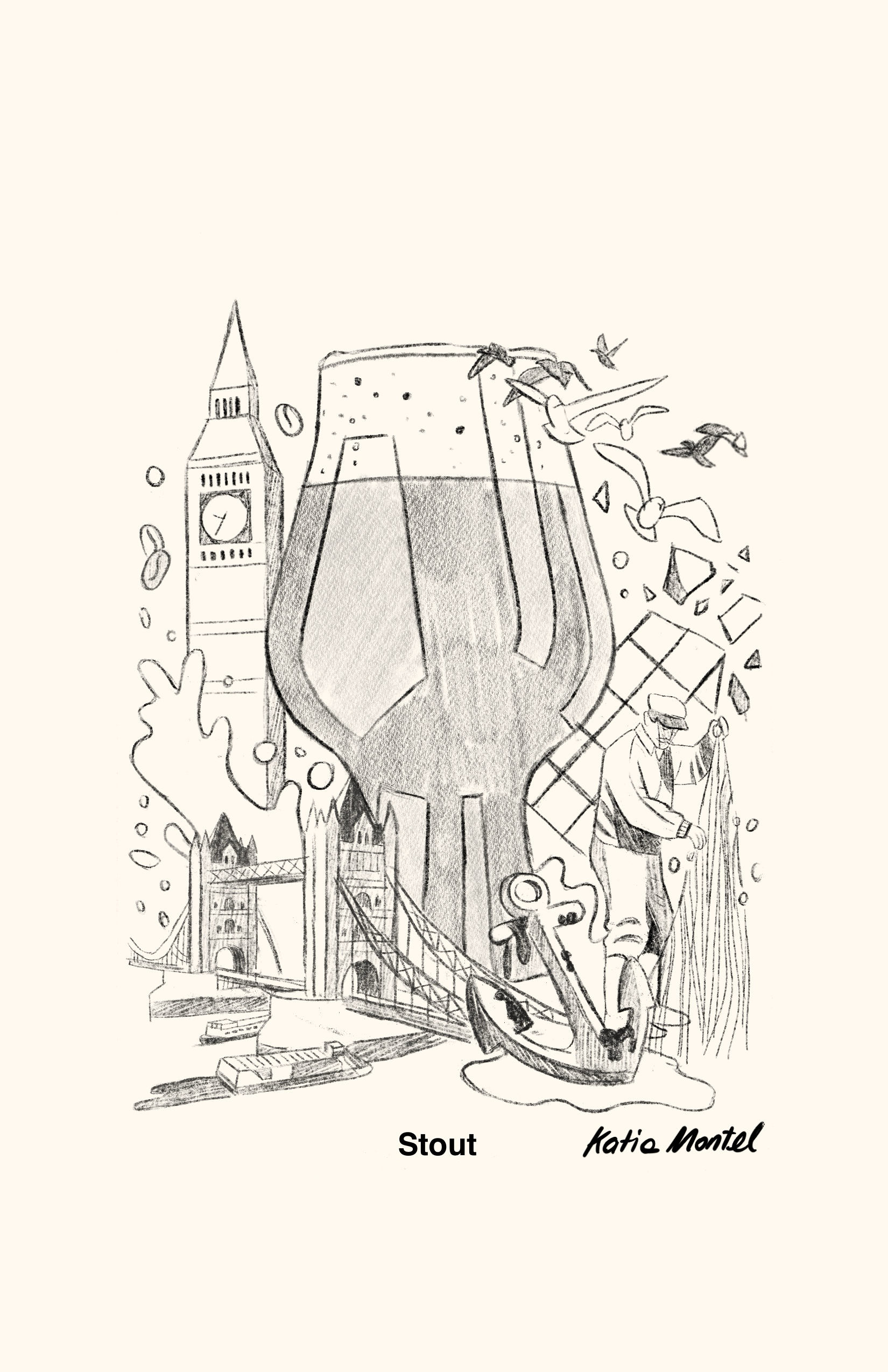
Stout has captured imaginations since its emergence in 18th-century England, where it evolved as a robust variation of the Porter—the hearty favorite of London's dock workers. Renowned for its toasted aromatics of coffee and chocolate, Stout presents a dark, viscous elixir that ranges from bold and dry to creamy and nuanced. Among its many celebrated variants is Milk Stout, where lactose sweetness splashes across the palate's foundation, creating a velvety drinking experience. The style's versatility and depth have made it a beloved classic, equally at home in historic pubs and contemporary craft breweries.
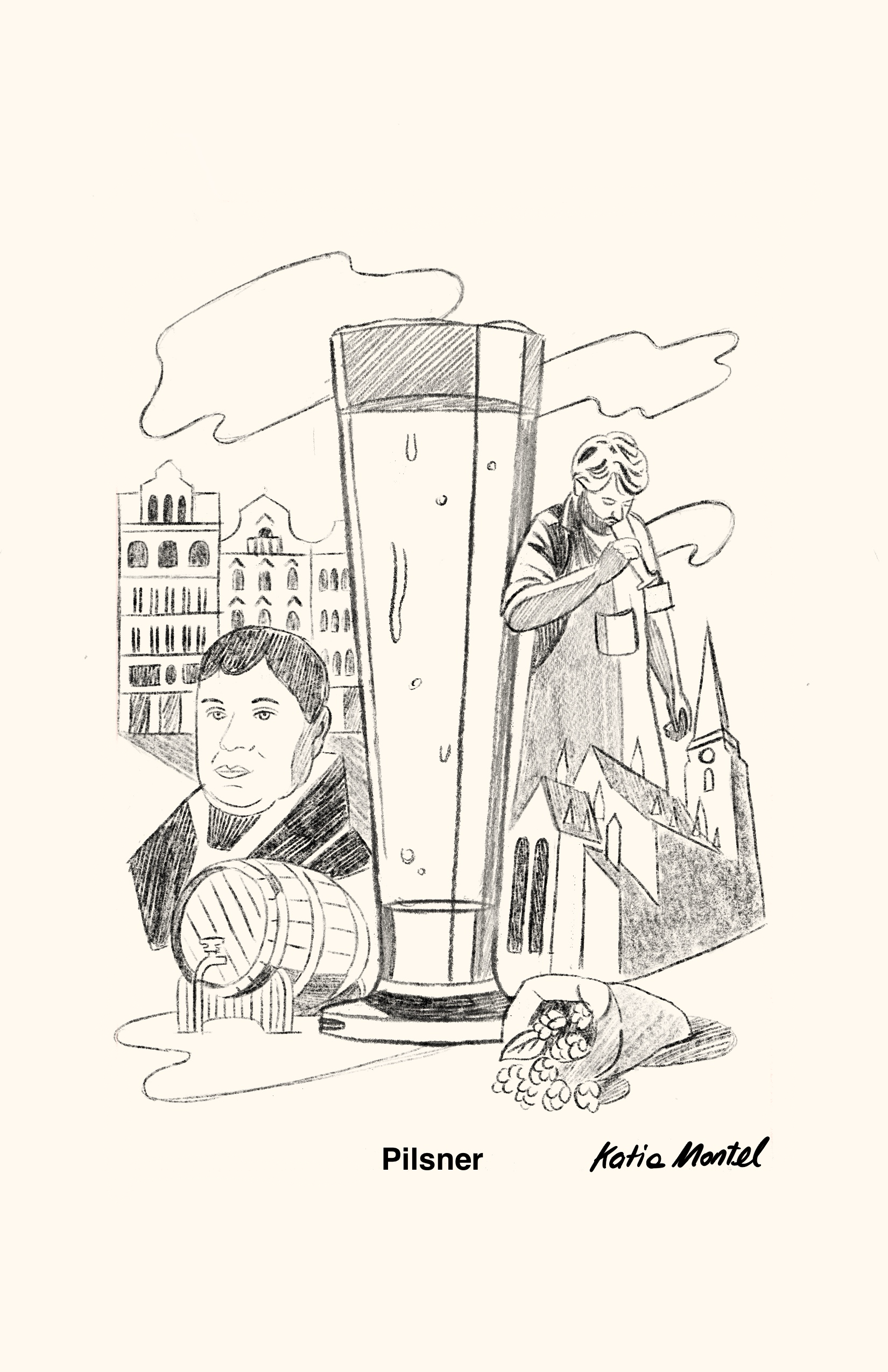
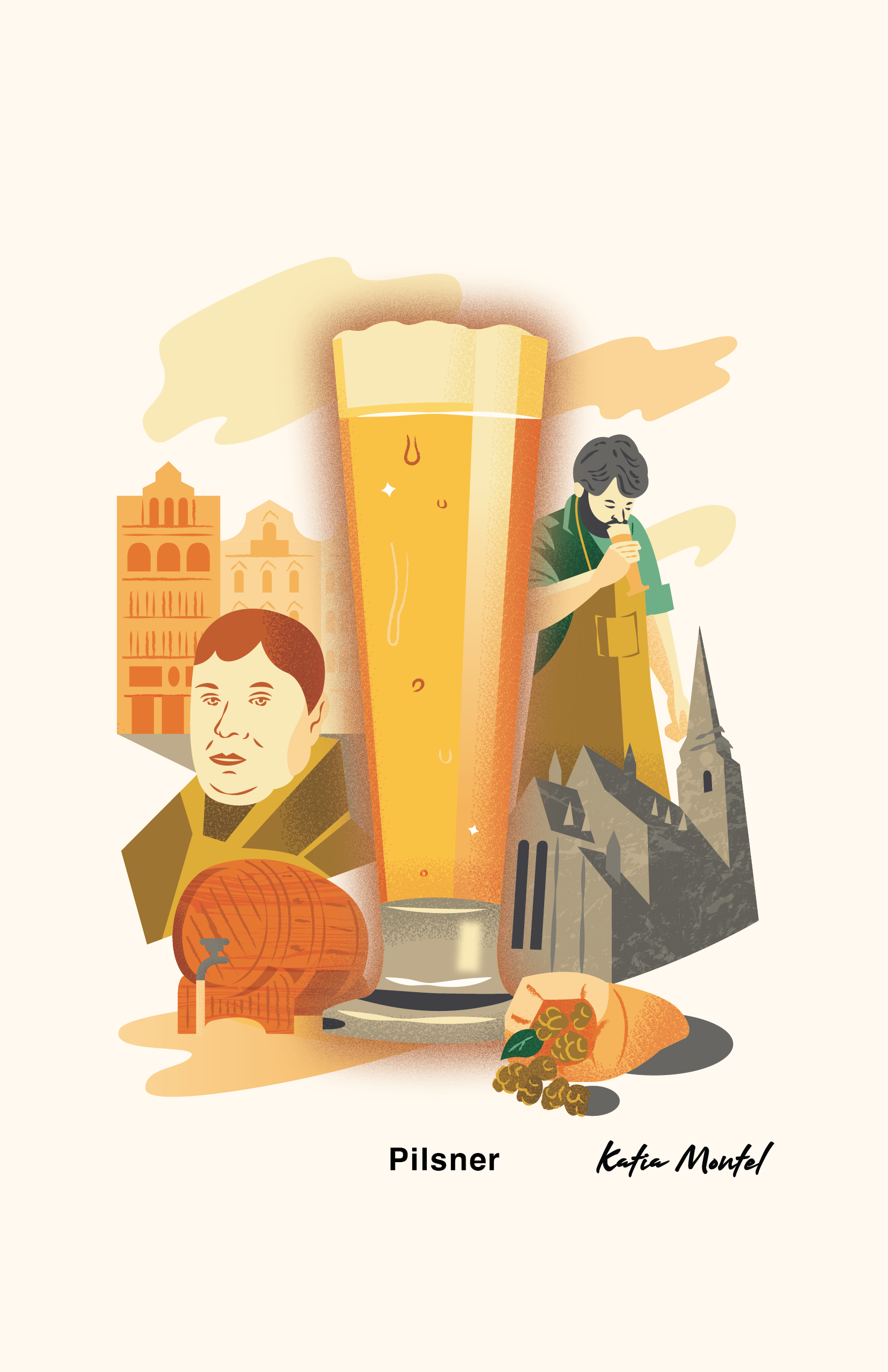
Pilsner
The Pilsner owes its existence to a moment of serendipitous innovation in 1842 in the city of Plzeň—known as Pilsen in German—nestled in the heart of Bohemia, now the Czech Republic. Josef Groll, the visionary brewer credited with inventing Pilsner Urquell, revolutionized beer with his creation. Before his breakthrough, local beers were characteristically turbid and dark; desperation drove local brewers to such extremes that opened barrels spilled their contents into the city's rivers, forcing a reckoning with quality. Groll's introduction of the noble Saaz hop transformed brewing forever, establishing a golden, crystalline standard that would be emulated worldwide and become the most consumed beer style globally.
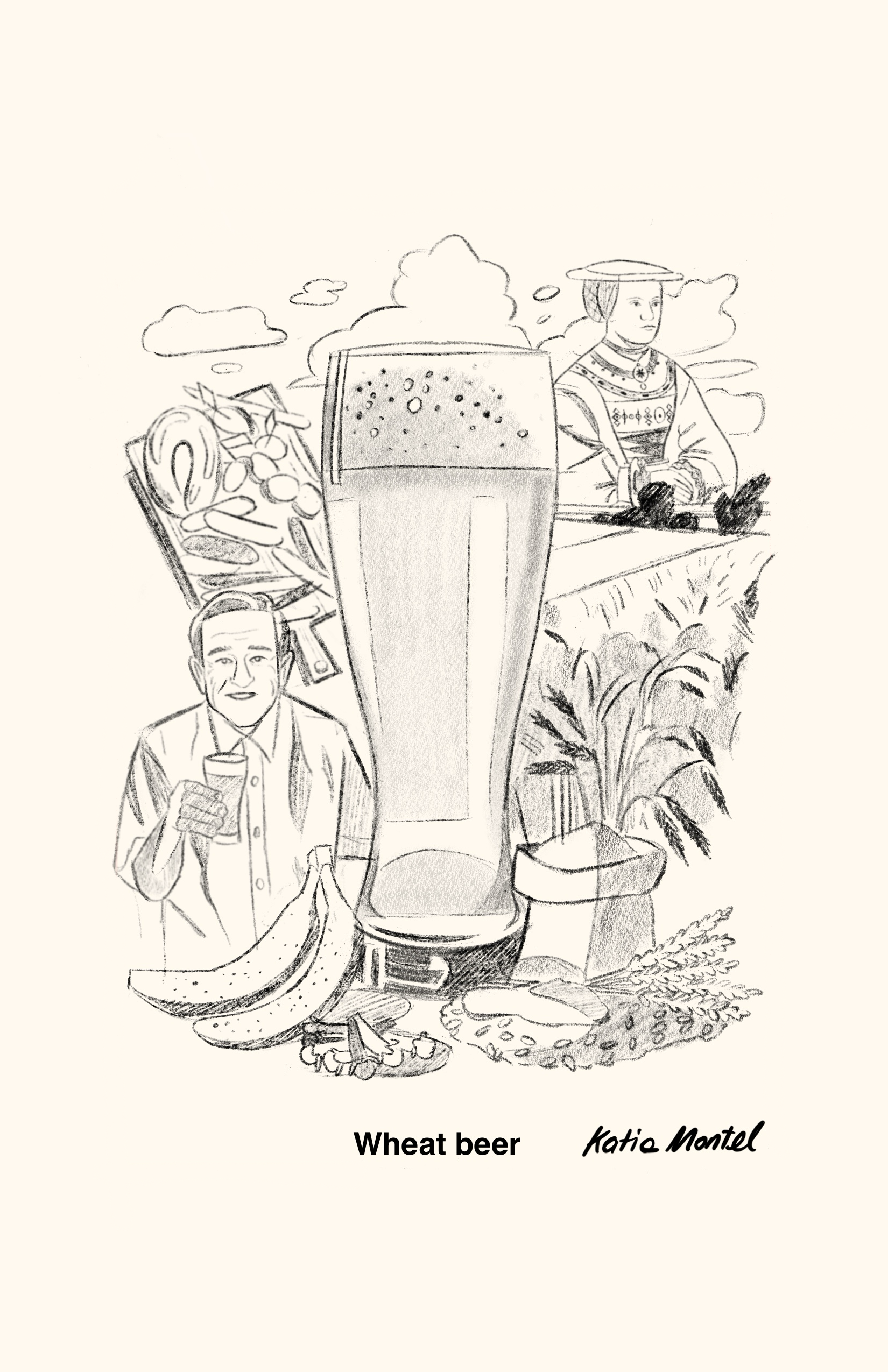
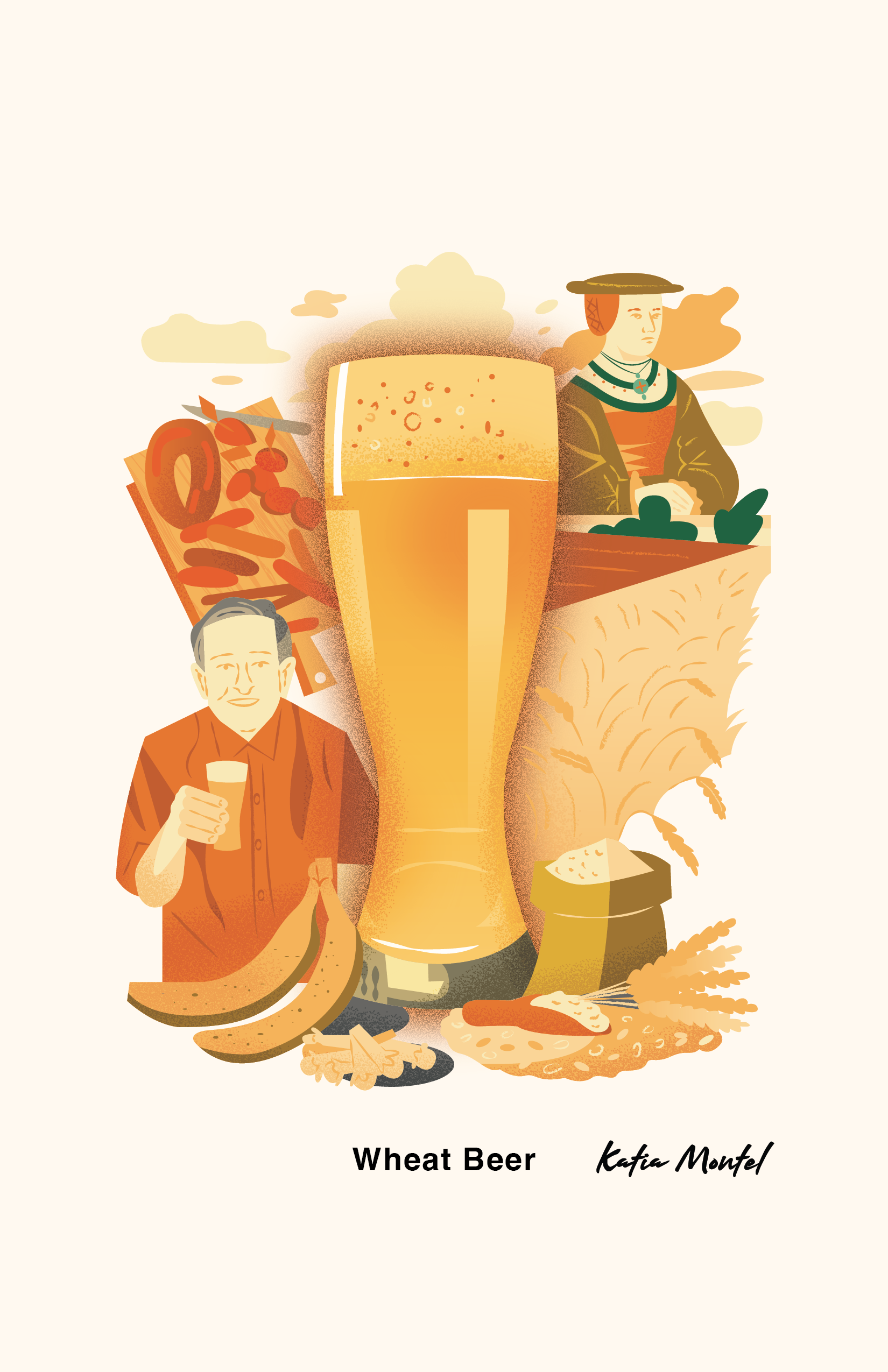
Wheat Beer
Wheat beer tells a tale of regional identity and aristocratic privilege. In Belgium, this style is called Witbier—a tradition revitalized in the 1960s by the visionary Pierre Celis, founder of the legendary Hoegaarden brewery. In Bavaria, wheat beer production was long the exclusive domain of royalty and nobility; for centuries, only the esteemed Dukes of Degenberg and later the Wittelsbach dynasty held the right to brew it. The style's distinctive fruity notes of banana and clove create an aromatic signature instantly recognizable to enthusiasts. Wheat beer's historic role as an acceptable breakfast beverage in some Bavarian regions, particularly on weekends, speaks to its approachable character and cultural significance—a drink worthy of tradition yet refreshingly unpretentious.